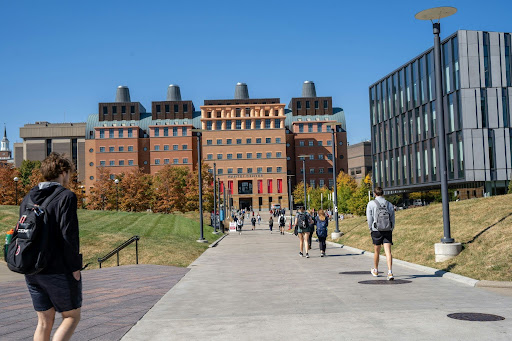
Imperial College London draws students from all over the world, and for many of them the first real decision after accepting an offer is where to live. London is big, expensive and spread out, so the choice of home shapes your budget, your commute and how quickly you settle in. Here is what international students should weigh up before signing anything.

Know which campus you will actually use
Imperial is not one site. Most undergraduate teaching happens at South Kensington, next to the Natural History Museum and the Royal Albert Hall. Postgraduate researchers and some engineering and science courses spend much of their time at White City, a few miles west. Medical students rotate through hospital campuses such as St Mary’s in Paddington and Hammersmith.
Before you look at a single room, check your timetable or ask your department where you will spend most weeks. A flat that is perfect for South Kensington can mean a long cross-city journey if your lab is in White City.
Halls, private halls or a shared flat
Most first-year undergraduates start in university halls, which take care of bills and come with a ready-made social life. After first year, and for many postgraduates from day one, students move into either a shared private flat or purpose-built private student accommodation.
Shared flats can work out cheaper, but they usually mean a 12-month contract, a deposit, separate utility bills and sometimes a UK guarantor, which is hard to arrange from abroad. Purpose-built student buildings tend to bundle bills, Wi-Fi and contents insurance into one weekly price, run contracts that match the academic year, and accept international students without a UK guarantor (often with rent paid in advance instead).
Pick an area, not just a room
Those heading to Imperial College London tend to prioritise Imperial College student accommodation within easy reach of the South Kensington and White City campuses. Living close by means more time for study and society events, and fewer late-night journeys home.
The neighborhoods around South Kensington are among the most expensive in London, so many students look a little further out along good transport lines. Areas such as Shepherd’s Bush, Hammersmith and Earl’s Court give quick Tube links to both campuses, with more affordable food shops and a livelier local feel. Use the Transport for London journey planner to test the commute at 9am, not just at weekends.
Budget for the full cost
Rent is the biggest cost, but it is not the only one. When comparing options, add up:
- rent for the full contract, not just term time
- bills, if they are not included
- travel, remembering that an 18+ Student Oyster photocard gives 30% off Travelcards and bus passes
- food, laundry and a phone plan
- a contingency fund for the first few weeks, when deposits and setting-up costs stack up
The UK visa rules also expect students to show they can cover living costs, so it helps to know your real monthly figure early.
Questions to ask before you book
- What exactly is included in the price: bills, Wi-Fi, insurance, gym, cleaning?
- How long is the contract, and can it start or end around your course dates?
- Is there staff on site or a 24-hour contact if something goes wrong?
- How do you pay as an international student, and is a guarantor needed?
- What is the real door-to-door time to your main campus?
Book early
The best-located rooms near central London universities go quickly, often months before term starts. Once you have an unconditional offer, or a conditional one you are confident about, it pays to shortlist two or three options and book a viewing (in person or by video).
Getting your accommodation right takes a lot of stress out of moving to a new country. Start with where you will study, work out your true budget, and choose somewhere that makes the next few years in London easier rather than harder.