
Something unexpected happens when families start researching Portland. The initial skepticism softens. Parents who swore they would never leave the Bay Area or Seattle find themselves comparing school districts and neighborhood parks across the Willamette River instead.
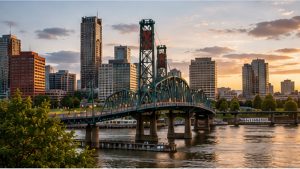
The area remains a top destination for families and professionals, drawn by vibrant communities, strong schools, and a thriving job market.
What pulls them across that invisible line between researching and relocating?
The Educational Landscape That Converts the Undecided
When parents first scan school rankings, Portland does not always lead with confidence. District averages sit somewhere in the middle.
Proficiency numbers of 49% in math and 57% in reading tend to catch relocating families off guard. But here is where Portland schools become interesting to families who dig deeper.
Portland has one of the highest concentrations of top-ranked public schools in Oregon, with an average math proficiency score of 39% and reading proficiency score of 50%, and schools averaging 8/10 in ranking. Those overall district statistics mask the true story.
The reality is that PPS is a large, urban, economically diverse district where averages hide enormous school-to-school variation, with a child attending Ainsworth Elementary in the West Hills or Alameda Elementary ranking among the top 25 in all of Oregon.
Parents who initially dismissed the city often reconsider once they discover this variance. Unlike many cities where strong schools cluster in inaccessible price brackets, Portland schools distribute quality across unexpected pockets.
PPS offers a sheer variety of specialized programs, from immersion programs in Mandarin, Spanish, and Japanese to environmental focus schools. Portland Real Estate tracks these patterns for families evaluating the metro area, noting how certain elementary boundaries overlap with walkable commercial districts and park access.
Test results from tests administered in spring 2025 show improvements in all three subjects, though scores remain below pre-pandemic levels, but ODE director Charlene Williams stated that recovery is happening and will take time. The trajectory matters to families making long-term decisions.
The Intangible Factors That Tip the Scale for Portland
Education drives the initial research, but something else closes the deal.
Portland offers a unique blend of natural beauty, a strong sense of community, and a family-friendly atmosphere. These are not the glossy brochure claims; they show up in everyday logistics that matter to parents juggling work, carpools, and weekend plans.
Portland boasts more than 200 parks and green spaces, and Forest Park, one of the largest urban forests in the country, attracts over 1 million visitors annually.
Research acknowledges that both school and neighborhood contexts matter and considers neighborhoods and schools jointly. Choosing where to live requires families to weigh multiple factors beyond test scores alone.
The Portland Children’s Museum runs hands-on exhibits and drop-in programs year-round, and proximity to the Oregon Zoo makes the Washington Park campus a regular weekend destination for families, with seasonal programming including holiday light displays and summer concert series. These recurring touchpoints build the rhythm of family life in ways that matter more than families initially expect.
Another unexpected element: school neighborhood environments shape daily routines and student well-being in ways research continues to validate.
The Schools-as-Neighborhoods framework conceptualizes schools as intentionally designed microenvironments capable of generating social capital and promoting positive childhood experiences, offering educators and policymakers a pathway for supporting students’ mental health and engagement in learning.
Portland’s active transportation culture surprised one relocated Boston parent.
The city has invested heavily in Safe Routes to School, and Portland is famous for its massive bike buses, most notably the Alameda Bike Bus, where hundreds of kids ride to school together with parents and music playing. That image alone converts skeptics.

The Affordability Argument Nobody Expected
West Coast city plus family-friendly often equals unaffordable. Portland breaks that equation just enough to keep families in the conversation.
Zillow reports that the median home price in Portland’s metro area is $512,000 as of January 2025, up 4% from the previous year, making it more affordable than other West Coast cities like Seattle and San Francisco.
That figure still makes East Coast transplants wince, but cost-of-living comparisons show Portland holding steady against peer metros. The statewide lack of sales tax becomes a recurring conversation point in parent forums. Grocery bills, school supplies, and those endless Target runs cost measurably less without that added percentage.
According to recent U.S. Census data, 44 percent of Portland residents over the age of 25 have a bachelor’s degree, outpacing the national average of 28 percent, while more than 90 percent of residents are high school graduates. That educated workforce base creates the professional opportunities that allow families to justify the move.
The real estate market also offers strategic opportunities.
Portland’s suburbs, including Beaverton and Lake Oswego, have seen a surge in new developments. Families priced out of inner neighborhoods discover that suburban school districts like Beaverton offer comprehensive programming at lower price points.
What Families Discover After the Move to Portland
The parents who almost said no often become Portland’s most enthusiastic advocates. The decision to relocate hinges on rational factors like school ratings and housing costs, but the experience of living here transforms the calculation.
Portland’s neighborhoods thrive on their unique identities and strong sense of community, with local farmer’s markets, neighborhood block parties, and seasonal festivals like the Portland Rose Festival creating opportunities for families to connect.
One recurring theme in relocation stories: the city makes parenting logistically easier. The scale feels manageable.
Schools are often the top concern for families relocating to Portland, as the Portland metro area includes multiple school districts, and families should be aware that school quality can vary significantly by neighborhood. But once those school boundaries are mapped and the commute tested, daily life settles into a rhythm that parents describe as unexpectedly sustainable.
Summer in the Park brings free arts, cultural, and recreational programming to neighborhood parks across the city from July through August, and Portland Saturday Market runs through the warmer months with a genuine family-friendly atmosphere including street performers, local crafts, and food vendors that kids tend to enjoy as much as adults. These are not the factors that appear on the initial spreadsheet comparison, but they become the reasons families stay.
Research on educational achievement consistently shows that the interaction between neighborhoods and schools shapes outcomes more than either factor in isolation. Portland’s structure allows families to optimize both variables simultaneously, particularly when they research carefully and visit before committing.
The parents who hesitated ultimately discover that the city delivers on promises they did not know they were making. School quality proves more accessible than rankings suggested. Affordability stretches further than coastal comparisons implied. And the daily experience of raising kids here offers margin that other metros consumed years ago. That combination keeps winning over the families who almost said no.