
Study abroad orientation usually covers the obvious stuff first: visas, housing, health insurance, class registration, and what to do if your passport goes missing during week one. Public transportation might get a quick mention, usually somewhere between campus safety and “please be on time for excursions.”
Then you arrive, and suddenly the bus matters a lot.
It matters when you’re trying to get to class without looking completely lost. It matters when dinner with friends ends later than planned. It matters when your phone is at 12 percent, the street names look unfamiliar, and the stop you thought was yours definitely was not yours.
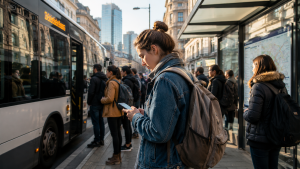
Learning how people get around is one of the fastest ways to understand a new place. You start with routes and tickets, then slowly pick up the city’s habits: who lines up, who rushes, when the bus is packed, which stop has the best coffee nearby, and how long “just a short ride” actually takes.
Your Commute Can Change the Semester
A twenty-minute ride does not sound like much when you’re comparing programs from home. Once you’re there, it can decide how your days feel.
If campus is easy to reach, you’re more likely to join a club, stay after class, meet friends across town, or go see something on your own instead of waiting for a group plan. If every trip feels complicated, you may start saying no more often than you expected.
Money plays into it as well. Taxis and rideshares are tempting when you’re tired, running late, or unsure where you’re going. Do that often enough, though, and your “little transportation costs” become a real part of your budget. Getting comfortable with buses, trains, and campus shuttles gives you more room to explore without treating every outing like a financial decision.
There’s also a small confidence boost that students remember clearly. The first time you get on the right bus, pay the right fare, and end up exactly where you meant to be, the city feels different. You’re no longer observing it from the outside. You’re moving through it on your own.
Learn What Local Help Looks Like
Transportation works differently depending on where you study. In some Northeast cities, students may get used to dense train and bus networks. In parts of the South or West, they may depend on campus shuttles, rideshares, walking, or a mix of all three. Across the Midwest, buses often become part of daily student life, especially for internships, errands, and trips between neighborhoods.
Chicago is a useful example because students there may use buses for ordinary things: getting to class, reaching an internship, meeting friends, or visiting another campus. If a serious bus-related incident happens, a Chicago bus accident lawyer may be part of the local support picture for students trying to understand what happens after an unexpected transportation problem.
The point is not to expect something bad every time you ride the bus. It’s to know, before you need it, who you would contact if transportation affected your health, housing, classes, or ability to get around. A few saved numbers can make a stressful moment feel less chaotic.
Make a Small Transit File Before You Leave
This does not need to be fancy. A note in your phone is enough.
Save your program’s emergency number, the local emergency line, your housing address, the nearest clinic, your insurance details, and a screenshot of the route you’ll use most often. Add the names of two classmates or roommates once you know them. Include one backup way to get home if your usual bus or train stops running.
Students heading overseas should review official safety and emergency information before leaving so they know where to turn if a transportation problem interrupts their plans.
You are not trying to prepare for every possible situation. You’re doing your future tired self a favor. The version of you standing outside at night with a low battery will appreciate the version of you who saved the boring details early.
Take One Practice Ride Before It Counts
Your first ride should not be ten minutes before an exam, a lab, or a meeting with your program director. Give yourself one practice trip when the stakes are low.
Ride from your housing to campus during the day. Notice where you get on, where you get off, how payment works, and which landmarks help you recognize your stop. Check whether the route changes on weekends or later in the evening. Some schedules look simple until you learn they behave differently after 8 p.m.
This is also when you pick up the habits that transportation apps rarely explain. Maybe riders board through a specific door. Maybe you need to validate a ticket before getting on. Maybe people signal for stops earlier than you expect. Maybe everyone keeps bags off the seats during rush hour.
Most mistakes are harmless. Still, learning the rhythm early can spare you stress and help you feel less like a visitor every time you leave your building.

Ask About the Commute Before Choosing a Program
Program pages can make classes, housing, excursions, and credits look easy to compare. The everyday commute is harder to judge from a brochure, even though it can shape your routine from the first week.
Before committing, look for clues. How far is housing from campus? Do most students walk, take the bus, ride a train, or use a shuttle? Is it easy to get back after evening activities? Are grocery stores, pharmacies, and clinics close enough to reach without a complicated trip?
Transportation can affect your budget as much as your schedule, especially once passes, single tickets, rideshares, bike rentals, and backup options become part of daily life. Students who plan for unexpected costs while living abroad are less likely to be caught off guard by what getting around actually costs day to day.
A famous city can still feel frustrating if every class requires a difficult commute. A quieter location can become a favorite if daily life feels simple, connected, and easy to figure out. The route between your room and the rest of your life deserves real attention.
Let the City Become Familiar Slowly
Public transportation feels awkward at first because it asks you to process everything at once: signs, stops, schedules, payment rules, street names, and the quiet habits of local riders. Everyone else seems to know what they’re doing, which makes you feel even more obvious.
That feeling fades.
After a few weeks, the route that once made you nervous becomes ordinary. You know which stop is closest to the grocery store. You know which bus is crowded after class. You know the landmark that means you’re almost home. You might even have a preferred seat, which is when you know you’ve settled in.
Those small wins matter. They turn a foreign city into a place where you have routines, shortcuts, and opinions. That’s a real part of studying abroad, even if it never shows up on the program brochure.
Treat Transit Like Part of Orientation
The most useful orientation details are often the least glamorous. Where do you buy a pass? Which stop is closest to your building? What happens if the last bus leaves before your event ends? Who can you call if a route change leaves you stranded?
Ask those questions early. Walk around the area near your housing. Save your key routes. Pay attention to how local students travel, especially when classes end late or plans change.
Using public transportation abroad may not be the flashiest part of studying abroad, but it can shape your comfort, confidence, and sense of belonging. Once you know how to get around, the city starts to feel less like a destination and more like your temporary home.