A Brandeis University computer-science major spent the spring 2025 semester discovering how Greece’s energetic “co-capital” blends centuries-old history with modern student life. From the White Tower-framed waterfront to ACT’s Wi-Fi–soaked Bissell Library, the semester abroad delivered academic growth, cultural insight, travel adventures, and plenty of gyros-fuelled late nights. Here’s how the experience unfolded and what future students can learn from it. (studyabroad101.com, studyabroad101.com)
Thessaloniki at a Glance
Thessaloniki is Greece’s second-largest city and often called its cultural capital, prized for a 3.5 km seafront promenade that runs from the White Tower to the concert hall and is lined with cafés, bike lanes and sunset views (Lonely Planet, Tripadvisor). Students praise the laid-back vibe, lively food markets and nightlife hubs such as Ladadika, all boosted by a large university population (Greece Is). Getting around is easy on foot, by inexpensive taxis, and—new since late 2024—by a brand-new metro whose main line slices through downtown, with extensions toward Kalamaria due by 2025 (eKathimerini, eKathimerini).
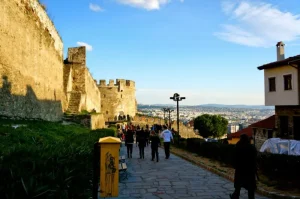
Academics: A U.S.-Accredited Hub in Northern Greece
ACT is the tertiary division of Anatolia College and is fully accredited by the New England Commission of Higher Education, so credits transfer smoothly back to U.S. universities (act.edu). Classes are taught in English across business, technology, Hellenic studies and more, with small sections that encourage discussion (studyabroad101.com). Our Brandeis reviewer highlighted the “perfect-balance” rigor—challenging yet manageable—and singled out office hours plus the vast English-language holdings of the 4,500 m² Bissell Library as academic game-changers (studyabroad101.com, act.edu).
Inside the Bissell Library
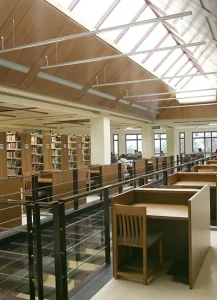
The library’s 27,000 print volumes, 130,000 e-books and 24-seat computer lab turn research into a breeze; wide skylights and olive-tree landscaping make it an inviting study spot between classes (act.edu).
Housing & Daily Life
Program housing placed the student in a furnished apartment—private bath, in-unit laundry and full kitchen—shared with other Americans. The only hic-cup was a mid-semester break that required temporary storage, a reminder to clarify holiday logistics early (studyabroad101.com). Feeling safe was never an issue; late-night walks felt comfortable, though taxis (usually under €7) were preferred after midnight when buses thin out (studyabroad101.com).
Eating Well on a Student Budget
With no meal plan, most meals came from home-cooked Greek staples and the on-campus cafeteria. Thessaloniki’s groceries are markedly cheaper than Boston; Numbeo and Expatistan put average monthly food costs for a single person around €400-€500, well below many U.S. cities (Numbeo, Expatistan, cost of living comparisons). Our reviewer spent €40-€70/week on groceries, reserving bigger funds for travel splurges (studyabroad101.com). Tip: learn a few phrases and buy produce at the open-air Kapani or Modiano markets for fresh bargains.
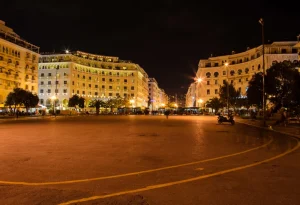
Language & Cultural Immersion
ACT offers Modern Greek courses, and taking the intro class opened doors to casual chats with locals—though English is widely understood in Thessaloniki (studyabroad101.com, studyabroad101.com). For deeper immersion, weekend trips to smaller towns or islands force you to rely on Greek more heavily, turning every bus ride into a vocabulary lesson.
Weekend & Holiday Travel
ACT-organized excursions include Athens, Delphi and Vergina, while inexpensive flights from SKG airport put destinations like Rome or Istanbul within two hours (studyabroad101.com). The reviewer funneled much of a €6,000 savings pot into travel—evidence that wanderlust can dwarf day-to-day expenses, so budget accordingly (studyabroad101.com).
Costs & Money-Saving Hacks
- Living costs: Thessaloniki is ~40-60 % cheaper than many Western-European cities for housing and dining (Expatistan, cost of living comparisons, Numbeo).
- Transport: A student bus fare is €0.90; metro rides will be similar. Split Ubers after midnight.
- Travel: Book Ryanair tickets months ahead and favour hostels or group Airbnbs.
- Academic extras: Printing is free in the Bissell Library; leverage it rather than commercial copy shops.
What Works & What Could Improve
Highlights: welcoming classmates from 30+ countries, independence forged through travel planning, and the ability to tailor coursework to a tech focus while living in a Mediterranean climate (studyabroad101.com, studyabroad101.com).
Room for growth: clearer communication around housing over mid-semester breaks and earlier release of the final-exam calendar to aid trip planning, echoing the student’s feedback (studyabroad101.com).
Takeaways for Future ACT Scholars
- Pack light, travel often. Cheap flights and new metro links mean Greece can be your basecamp for Europe.
- Learn survival Greek early. Even “Yassas” and “Efharistó” earn smiles and local tips.
- Budget for adventures, not just food. Flights and hostels add up faster than feta and olives.
- Use campus resources. The Bissell Library and ACT’s Boston-based support staff are there to help long before you touch down.
Final Thoughts
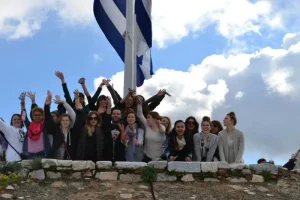
Six months in Thessaloniki turned coursework into cross-cultural competence and city streets into an open-air classroom. For STEM majors who want academic continuity, for foodies chasing perfect bougatsa, and for anyone keen to watch a sunrise paint the Thermaic Gulf pink, ACT’s Direct Enrollment & Exchange program makes “Go Greek” more than a marketing slogan—it’s a life-changing semester abroad!