


An invitation to help in a clinic can feel like an opportunity, even when declining it would show better judgment. For a pre-med student, the difficult part of going abroad isn’t always encountering unfamiliar medicine. It’s recognizing what an unfamiliar setting doesn’t change about a student’s responsibilities.
Preparing for an international healthcare learning experience starts well before packing or arranging transport. As departure approaches, questions about supervision, patient expectations, and the purpose of observation become practical rather than abstract. Programs such as Child Family Health International (CFHI) belong in that preparation conversation, alongside questions about what students will actually be permitted to do. The challenge is arriving ready to understand a global health experience without confusing access to clinical settings with permission to provide care.
What Ready Students Actually Bring Before Departure
Readiness for a global health experience brings together four layers of preparation:
- Clinical fundamentals: A vocabulary for following ward rounds and understanding clinicians’ decisions, rather than a shortcut to performing procedures.
- Host-system and cultural knowledge: An understanding of care pathways, financing, referral rules, and local practices before reaching judgments about unfamiliar care.
- Professional boundaries: A written distinction between completed training, supervised teaching experience, and activities outside the placement’s permissions.
- Personal readiness: Advance attention to travel-health preparation, insurance, travel advisories, and practical arrangements.
These layers support observation and learning under supervision. Clinical knowledge doesn’t expand a pre-med student’s permissions, and an informal invitation doesn’t change their responsibilities.
Practicing beyond level of training isn’t a learning objective; declining an inappropriate task demonstrates an understanding of responsibility. Defining those limits before departure makes them easier to explain when a task is offered.
Together, these preparations also provide a stronger basis for describing the experience afterward. The credible account isn’t one of arriving ready to provide care, but of arriving knowledgeable enough to recognize how much there is to learn.
Clinical Basics Worth Practicing Before You Leave
For a medical elective abroad, useful pre-departure training connects classroom concepts with what students will see. As the readiness framework above makes clear, practice belongs in an appropriate training environment under supervision.
Infection Control, Vital Signs and Patient Communication
A practical review should cover hand hygiene, glove use, personal protective equipment, and standard precautions. Students can rehearse these skills in supervised teaching sessions and identify questions about the host site’s procedures before arrival. Limited supplies aren’t a reason to improvise unfamiliar practices.
For vital signs, preparation means reviewing reference ranges for blood pressure, pulse, respiratory rate, and temperature, including how age and clinical context affect interpretation. The observer’s goal is to follow what clinicians record and ask informed questions, not independently interpret a patient’s condition.
Communication deserves rehearsal, too. A student introduction should explain observer status without implying clinical authority. Asking permission to remain during a consultation and accepting a refusal without argument are useful practice scenarios.
Respect for privacy should shape where questions are asked and what gets written down afterward.
Phlebotomy Knowledge and Honest Self-Assessment
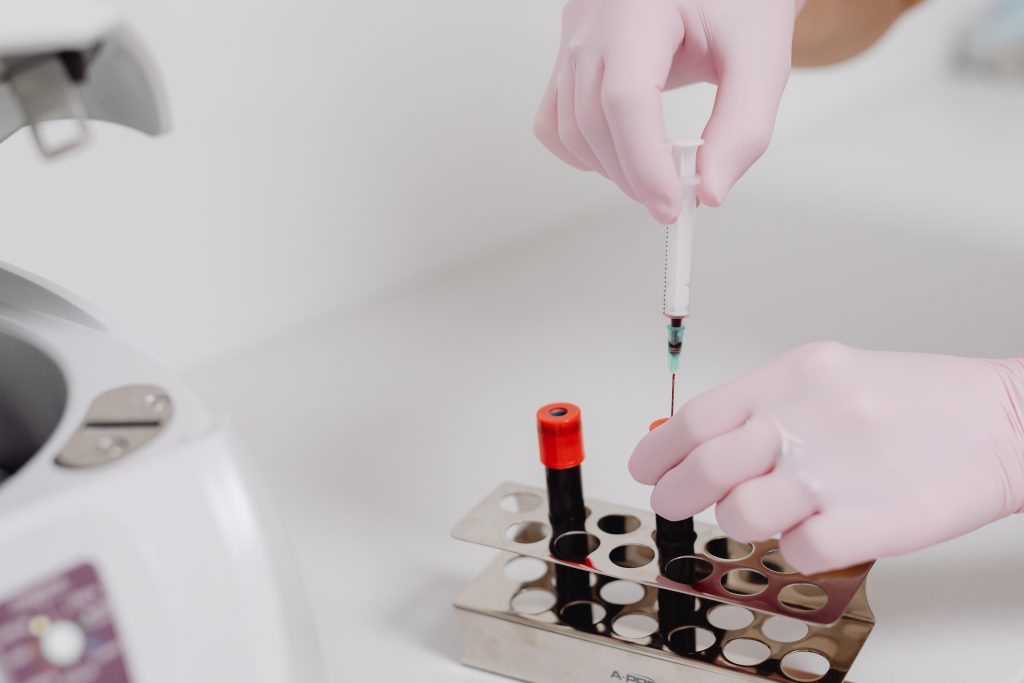
Phlebotomy theory offers a concrete subject for reviewing the difference between recognizing a procedure and being qualified to perform it. Topics include order of draw, tube types and additives, site selection, and infection-control principles.
An NHA phlebotomy practice test can serve as a study and self-assessment tool rather than evidence of clinical competence. Timed questions, as the team at PhlebotomyPracticeTest.net notes, expose specific gaps in order-of-draw or tube-additive knowledge that passive reading can leave hidden.
Reviewing the reasoning behind an incorrect answer matters more than simply repeating questions until they look familiar.
The boundary remains unchanged after a strong score: understanding venipuncture doesn’t authorize performing it abroad. Classroom knowledge can’t replace required credentials, host-site authorization, or appropriate supervision. An observer-only placement remains observer-only, regardless of confidence or an informal invitation to participate.
Studying the Host Healthcare System and Its Culture
Studying the host healthcare system gives students better questions than simply asking why care differs from home. The aim isn’t to excuse every difference, but to understand the circumstances before reaching a judgment.
Local Health Priorities and How Care Is Delivered
A useful preparation exercise is to map a patient’s possible route from community care to a hospital specialist. The map should distinguish public and private services, referral requirements, payment arrangements, and the role of community health workers.
Students can build it from the host country’s health ministry materials and the program’s orientation documents. Questions for the coordinator should address the actual placement: Where do patients come from? Which services require referral? What happens when someone can’t afford the next stage of care?
National health reports also provide context for leading causes of illness and death and current public health priorities. Connecting those priorities with the placement’s focus creates specific learning questions rather than a collection of disconnected country facts.
Cultural Humility and Survival Language Skills
Preparation for intercultural understanding begins with identifying assumptions. A student might expect patients to speak privately with clinicians, then encounter consultations involving several relatives. That difference calls for questions about patient preferences and local practice, not an immediate conclusion about either.
Reading accounts by local clinicians and patients supports developing cross-cultural awareness before departure. An ethical program’s orientation should also address family involvement, gender, modesty, and medical decision-making.
Language preparation should prioritize greetings, introductions, polite requests, and commonly heard pain and symptom vocabulary. Students need a clear way to identify themselves as learners.
Memorized phrases aren’t a substitute for interpretation during clinical discussions, and students shouldn’t present themselves as interpreters merely because they recognize familiar terms.
Boundaries, Personal Readiness and a Reflection Habit
Leaving boundaries and practical arrangements unresolved creates decisions that students will otherwise have to improvise in an unfamiliar environment. Reflection, meanwhile, starts with examining expectations before departure.
Knowing Your Scope and How to Decline a Task
Once the written scope statement is clear, students should confirm who authorizes activities. Permission must come from the designated program supervisor, not simply whoever offers a task.
A refusal script makes that distinction easier to express: “That procedure is outside my training and placement permissions. I’d be glad to observe if the patient agrees.”
Students should identify the person responsible for resolving pressure or uncertainty before departure. AAMC guidance on international experiences belongs in this preparation, rather than treating an impressive-sounding procedure as automatic material for an application.
Vaccines, Insurance and Travel Advisories
The Centers for Disease Control and Prevention (CDC) destination pages provide a starting point for questions about vaccination requirements and travel-health preparation. A pre-travel appointment should happen early enough for a clinician to plan any recommended course rather than assuming everything can happen immediately before departure.
Travel insurance review should explicitly address medical evacuation, while the program should explain any indemnity coverage and its limits. These are separate questions from ordinary trip cancellation protection.
US State Department travel advisories or Smartraveller belong alongside the broader work of planning your time abroad, including transport, accommodation, and emergency contacts.
Starting a Reflection Journal Before You Fly
A useful first journal entry records expectations: what the student anticipates learning, what feels unfamiliar, and which assumptions might need revisiting. Later entries can distinguish direct observations from interpretations and unanswered questions.
Patient names and identifying details don’t belong in a personal learning journal.
For a medical school application, this record provides material for explaining how understanding changed, rather than listing encounters or claiming expertise. A specific reflection on a misunderstood referral decision says more about learning than a dramatic account centered on the visiting student.
Arriving Ready to Learn Rather Than Perform
Preparation for a global health experience isn’t measured by the number of procedures a student hopes to attempt. It shows in the ability to follow clinical discussions, understand local context, respect patients, and remain clear about limits.
Clinical study makes observation more meaningful, while cultural preparation makes questions more thoughtful. Settled boundaries and practical arrangements leave fewer responsibilities to chance. Together, these habits help students arrive ready to observe, learn, and reflect on what they encounter.