Study abroad is one of the most transformative experiences a student can have. Whether you’re navigating the streets of Barcelona, hiking through New Zealand, or studying in Tokyo, you’ll encounter moments worth preserving. The challenge isn’t finding memorable experiences—it’s capturing them in ways that do justice to what you’re actually seeing and feeling. With the right approach to documentation, you can create a visual record that brings your time abroad to life long after you return home.
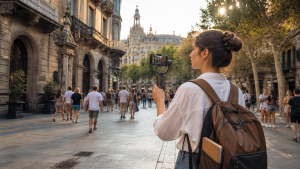
The tools available to modern travelers have expanded dramatically. Smartphones have become powerful cameras in their own right, and portable stabilization equipment can elevate your footage from shaky clips to polished content. Tools like Insta360’s gimbals represent the kind of accessible technology that lets students focus on their experience rather than wrestling with equipment. But beyond the gear itself, the real skill lies in knowing what to capture, how to frame it, and why certain moments matter more than others.
Why Visual Documentation Matters Abroad
When you’re studying abroad, your perspective shifts constantly. You’re absorbing new cultures, meeting people from different backgrounds, and experiencing daily life in ways that feel completely foreign at first. Documenting this journey isn’t just about creating content for social media or impressing friends back home. It’s about processing your own experience and creating a tangible record of personal growth.
Photography and video serve different purposes during a study abroad program. Photos capture single moments—the expression on a friend’s face, the architecture of a historic building, the light during golden hour. Video, by contrast, captures movement, sound, and context. A video of you navigating a local market tells a different story than a still photo. It shows the energy, the pace, the sensory overload that defines the experience.
Many students find that the act of documenting their time abroad actually deepens their engagement with it. When you’re thinking about how to frame a shot or what angle will best show a landmark, you’re paying closer attention to your surroundings. You’re noticing details you might otherwise miss. This intentional observation becomes part of the learning process itself.
Practical Strategies for Capturing Your Experience
Start by identifying the types of moments that matter most to you. Are you interested in street photography? Landscape shots? Candid moments with friends? Daily life documentation? Your answer will shape what equipment makes sense and how you approach your visual storytelling.
Consistency beats perfection. You don’t need to capture every moment, but regular documentation creates a more complete narrative. A few shots each day, taken intentionally, will tell a richer story than sporadic attempts at creating perfect content. This approach also prevents you from becoming so focused on documentation that you forget to actually experience what’s happening around you.
Composition fundamentals matter regardless of your equipment. The rule of thirds, leading lines, and depth of field are concepts that apply whether you’re shooting on a smartphone or a professional camera. Learning these basics will improve your visual storytelling immediately. There are countless free resources online that break down photography and videography principles in accessible ways.
Pay attention to lighting. Natural light is your friend, especially during early morning and late afternoon hours when the sun creates more interesting shadows and colors. Harsh midday sun can wash out details and create unflattering shadows, so plan your photography sessions accordingly when possible.
Building a Sustainable Documentation Practice
The biggest mistake students make is overcommitting to documentation. You might start your semester abroad with ambitious plans to film daily vlogs or create a comprehensive photo archive. By week three, the effort feels burdensome rather than enjoyable. Instead, set realistic expectations for yourself.
Consider what format works best for your lifestyle and interests. Some students thrive with a daily photo practice. Others prefer weekly video updates. Some focus on specific projects, like photographing street art in their city or documenting their favorite local restaurants. The format matters less than whether you’ll actually stick with it.
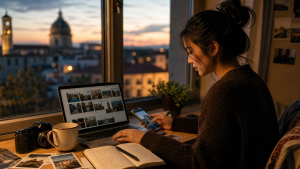
Storage and backup are practical considerations that often get overlooked. If you’re generating lots of photos and video, you’ll need a system for organizing and protecting your files. Cloud storage services offer affordable options, and many provide automatic backup features. Losing months of documentation to a lost or damaged device is a painful lesson many students learn the hard way.
Sharing Your Story Thoughtfully
Once you’ve captured your experience, you’ll likely want to share it with others. Social media platforms make this easy, but they also encourage certain habits that might not serve your long-term interests. Consider what you want your documentation to accomplish. Are you maintaining connection with people back home? Creating a personal archive? Building a portfolio?
Different platforms suit different purposes. Instagram works well for curated photo collections. YouTube accommodates longer-form video content. A personal blog or website gives you complete control over how your story is presented. You might use multiple platforms for different audiences or purposes.
Be intentional about what you share and when. Not every moment needs to be public. Some of the most meaningful experiences are best preserved privately. Sharing constantly can also create a disconnect between your documented experience and your actual experience. There’s value in having moments that exist only in your memory and in your personal files.
Reflecting on Your Visual Record
After your study abroad experience ends, your documentation becomes something different. It transforms from a record you’re creating in the moment to a memory you’re revisiting. This is when the real value of thoughtful documentation becomes clear.
Looking back through photos and videos, you’ll notice details you’d forgotten. You’ll remember conversations, emotions, and small moments that shaped your time abroad. Your visual record becomes a bridge between who you were before you left and who you’ve become through the experience.
Many students find that reviewing their documentation helps them process and integrate what they learned. It’s not just nostalgia. It’s a way of consolidating the experience, understanding how you’ve changed, and recognizing patterns in what drew your attention and interest.
Conclusion
Documenting your study abroad experience is a personal choice, and there’s no single right way to do it. What matters is finding an approach that enhances your experience rather than detracting from it. Whether you’re taking daily photos, filming occasional videos, or creating a more structured project, your documentation will become a valuable record of one of the most significant periods of your life. The key is to stay present, remain intentional about what you capture, and remember that the experience itself always comes first.