
When you’re preparing for or participating in a study abroad program, every interaction with your university, host country, and fellow students shapes your experience. Just as brands use QR codes to build connections, you can leverage a custom QR journey to streamline your international education and travel.
What Is a Branded QR Journey in a Study Abroad Context?
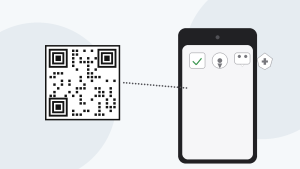
In the context of studying abroad, a branded QR journey is the experience you create by using a QR code that’s customized to a specific international education purpose. Instead of a generic code, a tailored one might include your university’s logo, a call-to-action like “Scan for Campus Map,” or colors that represent your program. This simple visual cue makes the code instantly recognizable and trustworthy, guiding students and travelers to key information.
A personalized QR code can direct you to:
- A pre-departure checklist.
- An interactive map of your new campus or city.
- A social media group for your study abroad cohort.
- Emergency contacts and local resources.
Creating and Tracking Your Custom QR Experience
While the original article discusses a tool called QRNow, the principle of customization is what’s important. You can use various QR code generators to create a code that’s both functional and visually appealing. You’ll want to:
- Add an identifier: Include your university’s logo or a flag from your host country for instant recognition.
- Use relevant colors: Match the code’s colors to your school or program.
- Include a clear call-to-action: Phrases like “Scan for Local Guide” or “Pre-Departure Checklist” tell users exactly what to expect.
Some services offer dynamic QR codes, which are extremely useful for international travel. With a dynamic code, you can update the destination link at any time without having to create a new physical code. For example, a single QR code on a welcome packet could link to a pre-departure guide before you leave, then automatically switch to a local events calendar once you arrive.
Tips for a Successful Study Abroad QR Experience
To ensure your custom QR code is effective, consider these tips:
- Strategic Placement: Put codes on things like orientation packets, campus flyers, or luggage tags. They should be easy for students to find and scan.
- Clear Instructions: Always include a brief note explaining what the code does, like “Scan to meet your classmates” or “Scan for important visa information.”
- Design for Visibility: The code should be large enough to be easily scanned and have good color contrast, especially if it’s placed on a poster.
Real-World Examples in International Education
Here’s how custom QR codes can be used to improve the study abroad journey:
- University Admissions: A university can place custom QR codes on brochures at international education fairs. When prospective students scan the code, it could lead them directly to an online application portal or a virtual tour of the campus.
- Student Orientation: On the first day of an international program, students could be given a wristband with a QR code that links to a digital orientation schedule, campus map, and emergency contact list. As the semester progresses, this same code can be updated to point to a list of local clubs or activities.
- Travel and Exploration: A travel company could place QR codes on tour maps or at historical sites. When a student scans the code, they could get access to exclusive historical facts, audio tours, or even a virtual reality experience of the location.
- Alumni Networking: At a study abroad reunion, custom QR codes on name tags could link to an online portfolio or a LinkedIn profile, making it easy for alumni to connect with each other and share their post-graduation experiences.
By using QR codes strategically, international students and educators can transform simple interactions into meaningful connections that streamline their journeys and enhance the overall experience.