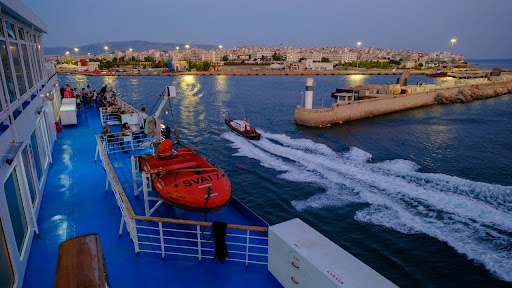
Traveling to a new country can be an exhilarating experience filled with discovery, adventure, and personal growth. Yet, many travelers find themselves facing challenges that could have been avoided with a little preparation. From misunderstandings about local customs to financial pitfalls, these missteps can turn a dream trip into a frustrating ordeal. Recognizing potential mistakes before they happen is key to making your journey smooth and enjoyable. Below are seven common mistakes that travelers make and ways to avoid them.

Ignoring Tourist Scams
One of the most frequent issues travelers face is falling victim to tourist scams. Whether it involves overcharging for taxis, fake tickets, or deceptive street vendors, scams can leave a lasting negative impression on any trip. A smart approach is to research common scams in your destination and look for reliable sources of information. Following practical tips to steer clear of tourist scams can save both money and time, while preventing unnecessary stress. Being aware of what to expect, maintaining a cautious attitude, and questioning deals that seem too good to be true are all part of avoiding these traps. Locals and seasoned travelers often have firsthand advice, and consulting multiple sources can provide valuable insight into the tricks that scammers employ.
Failing to Learn Basic Local Phrases
Traveling without understanding even a few words of the local language can make simple tasks more complicated than necessary. Ordering food, asking for directions, and negotiating prices all become smoother when you know basic phrases. A few minutes spent learning greetings, polite expressions, and numbers can significantly improve interactions with locals. Language apps, phrasebooks, and short courses can give travelers a functional foundation, making it easier to navigate unfamiliar environments with confidence. Being able to communicate even minimally demonstrates respect for the culture and often opens doors to experiences that may otherwise remain inaccessible.
Overpacking and Poor Luggage Choices

Bringing too much luggage is a mistake that can hinder mobility and create unnecessary stress. Travelers often overestimate what they will need and end up carrying heavy bags that are cumbersome on public transportation or during long walks. Choosing the right size luggage, packing versatile clothing, and prioritizing essentials can reduce strain. Rolling clothes, using packing cubes, and leaving room for souvenirs also contribute to a more manageable load. Minimalist packing not only makes travel more comfortable but also allows greater freedom to explore without worrying about cumbersome belongings.
Not Researching Local Customs and Etiquette
Travelers often underestimate the importance of understanding the local customs and etiquette of the countries they visit, which can lead to uncomfortable situations or unintentionally offending residents. Every destination has its own cultural norms, including ways of greeting people, table manners, dress codes, tipping expectations, gestures, and even rules about personal space. For instance, a hand gesture that seems harmless in one country might be considered rude in another. Similarly, behaviors that are acceptable in public in one place might be frowned upon elsewhere. Taking the time to research and observe these customs allows travelers to interact respectfully and create positive impressions.
Reading travel guides, watching cultural videos, consulting forums, or talking with locals can provide valuable insight into social norms that are not always obvious. Understanding how to behave in religious sites, markets, restaurants, or public transportation can prevent awkward situations and demonstrate cultural sensitivity. Travelers who make an effort to respect these local rules often find that people are more welcoming, helpful, and open, which can lead to more authentic experiences. Beyond avoiding mistakes, knowing local etiquette can also deepen your appreciation for the culture, giving you a better understanding of the social dynamics and values that shape daily life.
Relying Too Much on Credit Cards or Cash Machines
While it is convenient to use credit cards or withdraw money from local ATMs, relying solely on them can be risky. Some countries have limited access to cash machines, and certain establishments may not accept cards. Unexpected bank fees and card restrictions can also create challenges. Carrying a mix of cash and cards, knowing currency exchange rates, and identifying secure places to withdraw money can make financial transactions smoother. Planning for multiple payment options protects against unexpected setbacks, particularly in remote areas or during emergencies.
Overbooking the Itinerary
Packing too many activities into a single day may seem productive, but it often leads to exhaustion and missed opportunities. Travelers who overbook can miss the chance to enjoy unplanned moments, rest properly, or engage deeply with each location. Building flexibility into the schedule allows for spontaneous exploration and more meaningful experiences. Prioritizing key sights while leaving gaps for downtime or unexpected discoveries leads to a more relaxed and enjoyable trip. Time spent soaking in the surroundings without constant movement often becomes the most memorable aspect of travel.
Overlooking Transportation Options
Understanding transportation options can greatly influence both the pace and quality of a trip. Travelers who rely solely on taxis or ride-sharing apps may face high costs, limited availability, or long waits, especially during peak hours or in less tourist-friendly areas. Public transportation, such as buses, trains, or metro systems, often provides a more affordable and efficient way to move around, but many travelers overlook these alternatives because they appear unfamiliar or intimidating. Taking time to study schedules, maps, and ticketing procedures can save time and reduce stress.
Additionally, some destinations offer unique transportation modes, like ferries, tuk-tuks, or cable cars, which not only serve a practical purpose but also provide a different perspective on the area. Walking and cycling should not be underestimated either, as they allow travelers to explore neighborhoods at a personal pace and discover hidden gems that are inaccessible by larger vehicles. Planning and combining multiple forms of transport, while leaving room for spontaneous adjustments, ensures flexibility and opens opportunities for more authentic experiences.
Final Thoughts
Traveling to a new country is filled with excitement and potential for unforgettable memories. Yet, the small mistakes outlined above can quickly derail plans if not considered beforehand. From avoiding scams and learning local phrases to packing wisely and respecting cultural norms, each step contributes to a smoother and more enjoyable journey. Travelers who approach their trips with preparation and awareness tend to have richer experiences, free from the frustration that often comes with common pitfalls. Being mindful of these areas allows for a more relaxed, immersive, and memorable adventure.